Hair thinning and pattern hair loss affect confidence and self-image for many people, which is why Platelet-Rich Plasma therapy has become an increasingly popular non-surgical option for hair restoration. PRP uses a concentrated portion of your own blood, rich in growth factors, to stimulate hair follicles, improve scalp health, and encourage thicker, stronger hair growth. One of the most common questions people ask before starting treatment is how many PRP sessions are actually required to see meaningful results. Understanding the treatment cycle, expected timeline, and factors that influence outcomes can help you approach PRP therapy with realistic expectations and better long-term success.
Understanding How PRP Supports Hair Growth
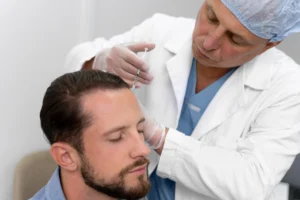
PRP therapy works by harnessing the body’s natural healing mechanisms. A small amount of blood is drawn and processed to isolate plasma that contains a high concentration of platelets. These platelets release growth factors that promote tissue repair, increase blood supply to hair follicles, and extend the active growth phase of the hair cycle. When injected into targeted areas of the scalp, PRP stimulates dormant follicles and strengthens weakened ones, which can lead to reduced hair shedding and gradual thickening of existing hair strands. Because hair grows slowly and follicles respond progressively, multiple sessions are necessary to build and maintain results.
Typical Number of PRP Sessions Required
Most individuals require an initial series of treatments rather than a single session. A standard protocol often involves a series of treatments spaced several weeks apart during the early phase of therapy. This initial cycle helps activate hair follicles and establish a foundation for regrowth. After the primary phase, maintenance sessions are usually recommended periodically to sustain improvements and support continued follicle activity. The exact number of sessions varies depending on the severity of hair loss, how early treatment begins, and how the body responds to platelet stimulation. People in the early stages of thinning generally require fewer treatments than those with advanced hair loss because their follicles remain more responsive.
Timeline for Visible Results
PRP is not an instant solution, and visible changes develop gradually. During the first few months, many individuals notice reduced hair shedding and improved scalp health. Over time, hair may appear thicker, stronger, and denser as follicles become more active. The growth cycle of hair naturally takes several months, so patience and consistency are essential. Continued improvement is typically observed when treatment is maintained according to the recommended schedule.
Factors That Influence Treatment Frequency
Several personal factors determine how many PRP sessions may be needed. The stage and type of hair loss play a major role, as early thinning responds more efficiently than long-standing follicle miniaturization. Age, overall health, hormonal balance, and lifestyle habits such as stress levels and nutrition also influence how effectively the body responds to PRP. Individuals with strong platelet concentration and healthy scalp circulation often experience more noticeable improvements. Additionally, combining PRP therapy with other supportive treatments recommended by a medical professional may enhance overall results and influence the number of sessions required.
Maintenance and Long-Term Care
PRP is best viewed as an ongoing hair restoration strategy rather than a one-time treatment. Hair follicles require continuous support to remain in the growth phase, which is why periodic maintenance sessions help preserve density and prevent renewed thinning. Long-term success also depends on scalp care, balanced nutrition, and addressing underlying causes of hair loss whenever possible. Consistency in follow-up treatments supports sustained improvement and helps maintain healthier, fuller-looking hair over time.
Who Benefits Most from PRP Therapy
PRP is most effective for individuals experiencing early to moderate hair thinning rather than complete follicle loss. It is commonly recommended for those seeking a natural treatment approach that uses their own biological material without surgery. Candidates who commit to the full treatment plan and maintain regular sessions typically experience the most satisfying results. A professional consultation helps determine whether PRP is appropriate and how many sessions may be required based on individual hair loss patterns.
Conclusion
The number of PRP sessions needed for hair growth varies from person to person, but most individuals require a structured series of treatments followed by ongoing maintenance to achieve and sustain visible improvements. PRP supports hair restoration by strengthening follicles, improving scalp health, and encouraging gradual regrowth through the body’s natural repair processes. While results develop over time, consistency and personalized treatment planning are key to success. With the right approach and realistic expectations, PRP therapy can be a valuable option for those seeking fuller, healthier hair without invasive procedures.
Frequently Asked Questions
What is PRP therapy for hair growth?
PRP therapy is a treatment that uses platelet-rich plasma derived from your own blood to stimulate hair follicles, improve scalp health, and support natural hair growth.
How does PRP help with hair loss?
PRP releases growth factors that increase blood supply to hair follicles, strengthen weakened roots, and extend the active growth phase of the hair cycle.
How many PRP sessions are typically required?
Most individuals need a series of initial treatments followed by periodic maintenance sessions to sustain hair growth and density.
When do results from PRP hair treatment become noticeable?
Reduced shedding may appear within a few months, while visible thickening and improved density usually develop gradually over time.
Is PRP effective for all types of hair loss?
PRP is most effective for early to moderate thinning where hair follicles are still active rather than completely inactive.
Are PRP hair treatments safe?
Because PRP uses the patient’s own blood, it is generally considered safe when performed by a qualified medical professional.
How long do the effects of PRP last?
Results can last for an extended period when maintenance treatments are continued as recommended.
Does PRP treatment hurt?
Most individuals experience mild discomfort during injections, but the procedure is typically well tolerated.
Can PRP be combined with other hair restoration treatments?
Yes, PRP is often combined with other medical or supportive therapies to enhance overall hair growth results.
Who is an ideal candidate for PRP hair therapy?
Individuals experiencing early hair thinning who seek a non-surgical and natural treatment approach are usually good candidates.
Contact Us:
Branch Name- 1. Everglo Aesthetic
Address : No:2/638, East Coast Rd, Chinna Neelankarai, Saraswathy Nagar North, Neelankarai, Chennai, Tamil Nadu 600115
Contact : 098844 01282
Google Map- https://share.google/1ZxFsmtOa9u4cQElp
Website : https://evergloaestheticclinic.com/
Branch Name- 2.Everglo Aesthetic
Address : Second Floor, 122, Chennai – Theni Hwy, Lakshmi Nagar, Shanthi Nagar, Chromepet, Chennai, Tamil Nadu 600044
Contact : 9884401282
Googlemap : https://share.google/Qi1cx9EMgmrvmdUvs
Website : https://evergloaestheticclinic.com/
Branch Name- 3.Everglo Aesthetic
Address : Second Floor, Shop No: SF-3, A.N. Plaza, 13/6 & 13/6A, Thiruvalluvar Salai, Perumal Nagar, J J Nagar, Mogappair, Chennai, Tamil Nadu 600037
Contact : 098844 01282
Website : https://evergloaestheticclinic.com/
Google Map : https://share.google/s9iRcnF1yGTJA83OG