Hair loss is a common concern that affects confidence, appearance, and self-image for both men and women. Advances in medical aesthetics have made hair transplant procedures a reliable and long-term solution for individuals experiencing thinning hair or baldness. Understanding the process, benefits, limitations, and expectations is essential before making a decision. This guide provides a complete overview to help you make an informed choice.
Understanding Hair Transplantation
A hair transplant is a medical procedure in which healthy hair follicles are taken from a donor area, usually the back or sides of the scalp, and implanted into areas affected by hair loss. These transplanted follicles continue to grow naturally because they are resistant to hair loss. The goal of the procedure is to restore hair density, improve hairline appearance, and achieve natural-looking results that blend seamlessly with existing hair.
Who Is an Ideal Candidate
Hair transplant procedures are suitable for individuals experiencing pattern baldness, thinning hair, or hair loss due to genetics, injury, or certain medical conditions. Candidates should have sufficient donor hair, stable hair loss, and realistic expectations about the outcome. A professional evaluation is necessary to determine suitability, as factors such as age, scalp condition, hair texture, and overall health play an important role in treatment planning.
Types of Hair Transplant Techniques
Modern hair transplantation primarily uses advanced techniques that focus on precision and natural results. Follicular Unit Extraction involves harvesting individual hair follicles and implanting them into the recipient area, resulting in minimal scarring and faster recovery. Follicular Unit Transplantation involves removing a thin strip of scalp from the donor area and dissecting it into grafts. Both methods are effective, and the choice depends on individual needs, hair loss pattern, and medical advice.
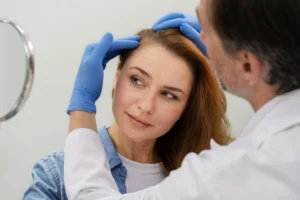
The Procedure and Recovery Process
The hair transplant procedure is usually performed under local anesthesia and can take several hours depending on the extent of hair loss. Patients may experience mild swelling, redness, or discomfort after the treatment, which typically subsides within a few days. Recovery is gradual, and normal activities can usually be resumed shortly after. Transplanted hair may shed initially, which is a normal part of the process, followed by new hair growth over the coming months.
Expected Results and Timeline
Hair transplant results develop gradually and require patience. Visible hair growth typically begins after a few months, with noticeable improvement over time. Full results may take several months as the transplanted hair thickens and matures. When performed correctly, the results are permanent and natural-looking, providing long-term improvement in hair density and appearance.
Benefits of Hair Transplant Treatment
A hair transplant offers a permanent solution to hair loss, using the patient’s own hair for a natural appearance. It improves confidence, enhances facial aesthetics, and eliminates the need for temporary solutions such as wigs or topical treatments. With proper care, transplanted hair grows and behaves like natural hair, allowing normal washing, styling, and grooming.
Important Considerations Before Deciding
Before undergoing a hair transplant, it is important to have a thorough consultation with a qualified specialist. Understanding the procedure, expected outcomes, limitations, and aftercare requirements helps set realistic expectations. Choosing an experienced clinic with advanced technology and a strong track record is crucial for achieving safe and satisfactory results.
Conclusion
Hair Transplant: Everything You Need to Know Before Deciding highlights the importance of knowledge and professional guidance when considering hair restoration. A hair transplant can be a life-changing solution when planned carefully and performed by skilled professionals. Taking the time to understand the procedure ensures confident decision-making and long-lasting, natural results.
Frequently Asked Questions
A hair transplant is a medical procedure where healthy hair follicles are taken from a donor area of the scalp and implanted into areas affected by hair loss. The transplanted hair grows naturally and permanently.
2. Is a hair transplant a permanent solution for hair loss
Yes, a hair transplant is considered a permanent solution because the transplanted follicles are resistant to hair loss and continue to grow for a lifetime with proper care.
3. Who is the right candidate for a hair transplant
Individuals with stable hair loss, sufficient donor hair, and good overall health are ideal candidates. A professional consultation is required to determine suitability.
4. Are hair transplant results natural looking
When performed by experienced specialists using advanced techniques, hair transplant results look natural and blend seamlessly with existing hair.
5. Is the hair transplant procedure painful
The procedure is performed under local anesthesia, so pain is minimal. Mild discomfort or soreness may occur after the treatment but usually subsides within a few days.
6. How long does it take to see results after a hair transplant
Initial hair growth typically starts within a few months. Full results become visible over time as the hair thickens and matures.
7. What is the recovery time after a hair transplant
Most patients can resume normal activities within a few days. Complete healing of the scalp may take a short period depending on individual recovery.
8. Will the transplanted hair fall out
Temporary shedding of transplanted hair may occur initially, which is normal. New hair growth follows, and the results are long lasting.
9. Are there any risks or side effects associated with hair transplant
Hair transplant is generally safe when performed by qualified professionals. Minor side effects such as redness, swelling, or itching are temporary.
10. How important is choosing the right clinic for a hair transplant
Choosing a reputable clinic with experienced doctors, advanced technology, and proper hygiene standards is essential for safe procedures and successful outcomes.
Contact Us
Phone: 098844 01282
Google Map– https://share.google/1ZxFsmtOa9u4cQElp
Website: https://evergloaestheticclinic.com/
Contact: 9884401282
Googlemap: https://share.google/Qi1cx9EMgmrvmdUvs
Website: https://evergloaestheticclinic.com/
Phone: 098844 01282
Website: https://evergloaestheticclinic.com/
Google Map: https://share.google/s9iRcnF1yGTJA83OG