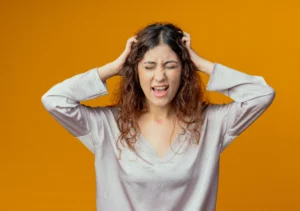
Stress is a powerful physiological and psychological force that affects nearly every system in the human body, including the health of the scalp and hair follicles. While temporary stress is a natural response to challenges, chronic or intense stress can disrupt normal biological processes and contribute directly to hair loss. Understanding how stress influences hair growth helps individuals recognize symptoms early and take steps to protect long-term hair health.
The Hair Growth Cycle and Its Sensitivity to Stress
Hair grows through a structured cycle consisting of growth, transition, and resting phases. Under normal conditions, most hair follicles remain in the growth phase, producing strong and healthy strands. Stress disrupts this balance by pushing a larger number of follicles into the resting phase prematurely. When this happens, shedding increases noticeably, often weeks or months after the stressful event. This delayed reaction can make it difficult for individuals to connect emotional strain with hair loss, even though the biological link is well established.
Telogen Effluvium and Stress-Induced Shedding
One of the most common forms of stress-related hair loss is telogen effluvium. This condition occurs when severe emotional or physical stress shifts a significant number of hair follicles into a dormant state. As new growth begins, resting hairs are shed rapidly, leading to diffuse thinning across the scalp rather than localized bald spots. The condition is usually temporary, but persistent stress can prolong recovery and slow regrowth.
Hormonal Changes Triggered by Stress
Stress activates the body’s fight-or-flight response, leading to increased production of cortisol and other stress hormones. Elevated cortisol levels can interfere with the function of hair follicles, weaken the hair shaft, and disrupt nutrient delivery to the scalp. Over time, hormonal imbalance can shorten the growth phase of hair and extend the shedding phase, resulting in noticeable thinning. Chronic stress may also contribute to inflammation, which further impairs follicle function and slows regeneration.
Stress and Autoimmune Hair Loss
In some individuals, severe or prolonged stress may influence immune system behavior. Stress-related immune disruption can trigger conditions where the body mistakenly attacks its own hair follicles. This process can lead to sudden patchy hair loss. Although genetic and environmental factors play significant roles, stress is widely recognized as a potential trigger that accelerates onset in susceptible individuals.
Behavioral Effects of Stress on Hair Health
Stress does not only affect hair through internal biological pathways. Behavioral changes associated with stress can also damage hair. Poor sleep, reduced nutritional intake, scalp tension, and repetitive habits such as hair pulling or excessive styling can weaken follicles and increase breakage. These external factors compound internal physiological effects, intensifying overall hair loss.
Recovery and Hair Regrowth After Stress
Hair loss caused by stress is often reversible when the underlying stressor is addressed. As hormone levels stabilize and the body returns to balance, hair follicles gradually reenter the growth phase. Regrowth may take several months because the hair cycle operates slowly. Maintaining a healthy diet, improving sleep quality, and adopting stress management techniques such as mindfulness, physical activity, and relaxation practices can support recovery and promote stronger hair growth.
Conclusion
Stress can profoundly influence hair health by disrupting the hair growth cycle, altering hormone levels, triggering immune responses, and encouraging harmful behaviors that weaken follicles. Although stress-related hair loss can be distressing, it is frequently temporary when properly managed. Recognizing the connection between emotional well-being and physical health is essential for prevention and recovery. By reducing stress and supporting overall wellness, individuals can protect both their hair and long-term physiological balance.
Frequently Asked Questions
What type of hair loss is most commonly caused by stress
The most common stress-related hair loss condition is telogen effluvium, which occurs when stress pushes hair follicles into a resting phase and leads to increased shedding across the scalp.
How long after stress does hair loss begin
Hair shedding related to stress typically appears several weeks to a few months after a stressful event because the hair growth cycle responds gradually to physiological changes.
Is stress-related hair loss permanent
In most cases, hair loss caused by stress is temporary and hair growth resumes once stress levels decrease and the body returns to balance.
Can emotional stress alone cause hair thinning
Yes, intense emotional stress can disrupt hormone levels and follicle function, leading to noticeable thinning even without physical illness or injury.
Does stress affect everyone’s hair the same way
Individuals respond differently to stress based on genetics, overall health, and resilience, which means not everyone experiencing stress will develop hair loss.
Can managing stress help stop hair loss
Reducing stress through relaxation techniques, regular exercise, adequate sleep, and proper nutrition can support hair regrowth and prevent further shedding.
What role do hormones play in stress-related hair loss
Stress increases cortisol production, and elevated cortisol can disrupt the hair growth cycle, weaken follicles, and slow the regrowth process.
How can someone tell if hair loss is caused by stress
Diffuse shedding across the scalp, recent exposure to significant stress, and gradual improvement after stress reduction are common indicators of stress-related hair loss.
Does poor sleep from stress worsen hair loss
Yes, sleep disruption affects hormone regulation and cellular repair, which can weaken hair follicles and intensify shedding.
When should someone seek medical advice for stress-related hair loss
Medical consultation is recommended if hair loss is severe, persists for several months, or is accompanied by other health symptoms, to rule out underlying conditions.
Contact Us:
Branch Name- 1. Everglo Aesthetic
Address : No:2/638, East Coast Rd, Chinna Neelankarai, Saraswathy Nagar North, Neelankarai, Chennai, Tamil Nadu 600115
Contact : 098844 01282
Google Map- https://share.google/1ZxFsmtOa9u4cQElp
Website : https://evergloaestheticclinic.com/
Branch Name- 2.Everglo Aesthetic
Address : Second Floor, 122, Chennai – Theni Hwy, Lakshmi Nagar, Shanthi Nagar, Chromepet, Chennai, Tamil Nadu 600044
Contact : 9884401282
Googlemap : https://share.google/Qi1cx9EMgmrvmdUvs
Website : https://evergloaestheticclinic.com/
Branch Name- 3.Everglo Aesthetic
Address : Second Floor, Shop No: SF-3, A.N. Plaza, 13/6 & 13/6A, Thiruvalluvar Salai, Perumal Nagar, J J Nagar, Mogappair, Chennai, Tamil Nadu 600037
Contact : 098844 01282
Website : https://evergloaestheticclinic.com/
Google Map : https://share.google/s9iRcnF1yGTJA83OG