Hair loss management has advanced dramatically, and 2026 marks a turning point where non-surgical options deliver visible, clinically supported results without downtime or invasive procedures. Patients now have access to personalized therapies that target the biological causes of thinning hair while improving scalp health, follicle activity, and hair density. This guide presents the most effective, evidence-based solutions shaping modern hair restoration and explains how they work together to produce natural, sustainable outcomes.
Understanding Modern Non-Surgical Hair Restoration
Hair loss is rarely caused by a single factor. Genetics, hormonal sensitivity, inflammation, stress response, and reduced follicle nutrition all contribute to progressive thinning. Today’s non-surgical treatments focus on multi-pathway intervention. Instead of simply stimulating growth, advanced therapies reduce follicle miniaturization, extend the hair growth phase, improve scalp microcirculation, and reactivate dormant follicles. The result is stronger, thicker, and healthier hair without surgical intervention.
Regenerative Growth Factor Therapy
Regenerative therapy has become a cornerstone of non-invasive hair restoration. Using concentrated growth factors derived from the patient’s own biology, this treatment enhances follicle repair and stimulates cellular regeneration. When delivered into the scalp through precise microinjection, growth factors encourage dormant follicles to re-enter the active growth phase while strengthening existing strands. Patients typically notice reduced shedding first, followed by gradual density improvement and enhanced hair texture.
Exosome-Based Hair Therapy
Exosome therapy represents one of the most advanced developments in hair science. Exosomes are microscopic signaling messengers that deliver proteins, peptides, and genetic instructions to hair follicle cells. These biological signals promote regeneration, reduce inflammation, and enhance follicle communication. In 2026, refined exosome formulations are designed specifically for scalp rejuvenation, making this treatment highly effective for early to moderate hair thinning. Results appear progressively as follicle function stabilizes and growth cycles normalize.
Low-Level Laser Stimulation
Low-level laser therapy continues to gain popularity due to its safety profile and consistent performance. Using controlled light energy, laser stimulation increases blood flow to the scalp and boosts cellular metabolism within hair follicles. This process supports stronger hair shaft formation and prolongs the growth phase of the hair cycle. Modern devices are more precise, delivering uniform stimulation across targeted areas to maximize results without discomfort.
Advanced Topical Bioactive Solutions
Topical treatments have evolved far beyond traditional formulas. Next-generation solutions contain peptides, stem-cell-derived factors, and follicle-supporting compounds that penetrate deeper into the scalp environment. These bioactive formulations help regulate scalp inflammation, improve follicle nutrition, and reinforce hair fiber structure. Consistent application supports ongoing follicle health and complements regenerative therapies.
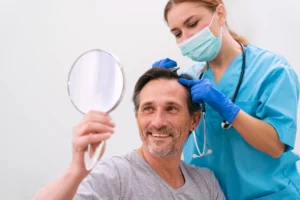
Microneedling with Follicle Activation
Microneedling has become an essential companion therapy for hair restoration. By creating controlled micro-channels in the scalp, this treatment stimulates natural healing responses and enhances absorption of active ingredients. The process activates growth signaling pathways and supports collagen production around hair follicles, creating a healthier environment for sustained hair growth. When combined with regenerative serums, outcomes are significantly enhanced.
Personalized Combination Protocols
The defining trend of 2026 is personalization. Instead of relying on a single method, specialists design customized protocols based on scalp condition, hair loss pattern, and biological response. Combining regenerative therapy, laser stimulation, and targeted topical care produces synergistic effects that exceed the results of standalone treatments. This integrated approach offers patients gradual, natural-looking improvement while maintaining long-term follicle vitality.
Who Benefits Most from Non-Surgical Treatments
Non-surgical solutions are ideal for individuals experiencing early to moderate thinning, increased shedding, or reduced hair density. They are also appropriate for patients seeking preventive care before significant hair loss occurs. Because these treatments support follicle health rather than replace hair, early intervention typically leads to the most noticeable results.
What to Expect from Treatment Progress
Hair restoration is a biological process that unfolds over time. Initial improvements often include reduced shedding and improved hair texture. Density changes emerge gradually as follicles strengthen and produce thicker strands. Consistency and professional guidance are essential to achieving optimal outcomes, as the hair growth cycle responds best to sustained stimulation.
Conclusion
Best Non-Surgical Hair Loss Treatments in 2026 reflect a new era of precision, regeneration, and personalization in hair restoration. By addressing the root causes of thinning and revitalizing follicle function through advanced technologies, modern therapies offer safe and effective solutions without surgery. Patients can now achieve healthier, fuller hair through scientifically grounded treatments that enhance natural growth processes. As innovation continues to advance, non-surgical hair restoration stands as the preferred path for individuals seeking meaningful, lasting improvement with minimal disruption to daily life.
Frequently Asked Questions
What makes non-surgical hair loss treatments effective in 2026
Modern treatments target multiple biological causes of hair loss simultaneously, including follicle miniaturization, inflammation, and reduced scalp circulation. This multi-pathway approach produces more consistent and natural-looking results compared to single-method treatments.
Who is an ideal candidate for non-surgical hair restoration
Individuals experiencing early to moderate hair thinning, increased shedding, or reduced hair density typically benefit the most. These treatments are also suitable for those seeking preventive care or wishing to avoid surgical procedures.
How long does it take to see results from treatment
Most patients notice reduced hair shedding within the first few months, followed by gradual improvements in hair thickness and density. Full visible results develop progressively as the hair growth cycle stabilizes.
Are non-surgical hair loss treatments safe
Yes, when performed by qualified professionals, these treatments have strong safety profiles. They use minimally invasive techniques designed to support natural follicle function without surgical risks.
Do results from non-surgical treatments last permanently
Results can be long-lasting when treatments are maintained as recommended. Because hair loss is often progressive, ongoing care helps preserve and enhance outcomes over time.
Can different non-surgical treatments be combined
Combination therapy is a key advancement in 2026. Personalized treatment plans often integrate multiple methods to enhance effectiveness and deliver more comprehensive hair restoration.
Is there any downtime after treatment
Most non-surgical procedures involve little to no downtime. Patients typically resume normal daily activities shortly after sessions, making these treatments convenient for busy lifestyles.
Do non-surgical treatments work for both men and women
Yes, modern hair restoration therapies are designed to address hair thinning in all individuals, with protocols tailored to different hair loss patterns and biological factors.
Will treatment improve hair thickness or only prevent loss
Advanced therapies both reduce shedding and stimulate stronger, thicker hair growth by revitalizing follicle activity and improving scalp health.
How do I maintain results after completing treatment
Maintaining results usually involves periodic follow-up sessions, consistent use of supportive topical care, and adherence to professional guidance to sustain follicle health and hair density.
Contact Us:
Branch Name- 1. Everglo Aesthetic
Address: No:2/638, East Coast Rd, Chinna Neelankarai, Saraswathy Nagar North, Neelankarai, Chennai, Tamil Nadu 600115
Contact: 098844 01282
Google Map- https://share.google/1ZxFsmtOa9u4cQElp
Website: https://evergloaestheticclinic.com/
Branch Name- 2.Everglo Aesthetic
Address: Second Floor, 122, Chennai – Theni Hwy, Lakshmi Nagar, Shanthi Nagar, Chromepet, Chennai, Tamil Nadu 600044
Contact: 9884401282
Googlemap: https://share.google/Qi1cx9EMgmrvmdUvs
Website: https://evergloaestheticclinic.com/
Branch Name- 3.Everglo Aesthetic
Address: Second Floor, Shop No: SF-3, A.N. Plaza, 13/6 & 13/6A, Thiruvalluvar Salai, Perumal Nagar, J J Nagar, Mogappair, Chennai, Tamil Nadu 600037
Contact: 098844 01282
Website: https://evergloaestheticclinic.com/
Google Map: https://share.google/s9iRcnF1yGTJA83OG